



The Path to a Brighter Smile: Understanding Dental Health Care
- Seona seona@usestyle.ai
- Jan 14
- 6 min read

Dental health care is a critical aspect of our overall well-being, yet it often takes a backseat in our daily routines. Understanding the importance of maintaining good dental hygiene and knowing how to care for your teeth can pave the way for a healthier, brighter smile. In this blog, we'll explore essential tips and insights to help you take charge of your dental health care journey.

The Importance of Dental Health Care
Understanding why dental health care matters is the first step toward a lifelong commitment to oral hygiene. Good dental health is linked to overall health, impacting everything from heart disease to diabetes. Let's dive into the reasons why maintaining healthy teeth is essential.
Neglecting your dental health can lead to more than just cavities. Studies show that oral health issues can trigger serious health conditions. For instance, gum disease has been correlated with respiratory diseases and cardiovascular problems. So, when you think dental care might be trivial, remember that your mouth is a gateway to your body. Keeping that gateway healthy is crucial for your overall wellness.
Moreover, a healthy smile can boost your confidence. When you feel good about your teeth, you tend to smile more, which can have a ripple effect on your mood and relationships. This dual impact—on both your health and emotional well-being—highlights why investing in dental health care is a worthwhile commitment we should all embrace.
Daily Habits for Optimal Dental Health
Incorporating simple daily habits can dramatically improve your dental health. From brushing techniques to flossing routines, this section provides practical tips that you can easily integrate into your everyday life.
First and foremost, brushing is fundamental. Aim for at least two minutes, twice a day. Use a soft-bristled toothbrush and fluoride toothpaste. Don’t rush; take your time and ensure your brushing technique targets all areas—front, back, and chewing surfaces. A circular motion can often be more effective than straight lines, helping to remove plaque without damaging your gums. Remember to replace your toothbrush every three to four months; a worn brush is less effective at cleaning your teeth.
Flossing should not be an afterthought. Many ignore it, yet it reaches where your toothbrush can't. Make it a daily ritual—preferably before brushing—so you can remove any food particles and plaque that cling to your gums. If traditional floss seems tedious, consider floss picks or water flossers as alternative options. The key is consistency. By committing to these habits, you’re laying the groundwork for a lifetime of dental health.
Additionally, don't forget the importance of mouthwash. An antimicrobial mouthwash can help reduce plaque and gingivitis and provide that extra layer of defense against cavities. Choose a mouthwash that contains fluoride and is alcohol-free to avoid drying out your mouth. Together, these daily practices create a fortress against dental issues, ensuring your smile stays bright and healthy.
Understanding Common Dental Issues
Knowledge is power when it comes to preventing dental problems. This section outlines common dental issues such as cavities, gum disease, and more, including their causes, symptoms, and preventive measures.
One prevalent issue is cavities, which occur when bacteria in your mouth produce acids that eat away at your tooth enamel. Early signs can include sensitivity to sweets and temperature changes. If not addressed, this can lead to toothaches and infections. Regular visits to your dentist, coupled with good oral hygiene, can help keep cavities at bay. Protecting your enamel with fluoride treatments can also bolster your defense against these pesky invaders.
Gum disease is another concern that often goes unnoticed until it’s advanced. It begins with gingivitis, characterized by red and swollen gums. If left untreated, it can evolve into periodontitis, which affects the bone supporting your teeth. Symptoms to watch for include persistent bad breath, loose teeth, and receding gums. The good news? With diligent brushing, flossing, and professional cleanings, it’s entirely preventable. Don’t underestimate the role your dentist plays in this equation; they can identify early warning signs and assist you in reversing damage before it spirals.
Apart from cavities and gum disease, you also have to be wary of tooth sensitivity, which can be triggered by hot or cold foods. This often indicates worn enamel or exposed roots. Using toothpaste designed for sensitive teeth can offer relief, but it’s also worth discussing with your dentist to identify any underlying causes.
The Role of Nutrition in Dental Health
What we eat significantly affects our dental health. This section explores the impact of nutrition on our teeth, highlighting foods that promote dental health and those that can lead to issues.
Diet plays a pivotal role in influencing the health of your teeth. Foods rich in calcium, like dairy products, fortified plant milks, and leafy greens, contribute to strong enamel. Vitamin C-rich foods, such as oranges and strawberries, help maintain gum health by promoting collagen formation. Incorporating a variety of colorful fruits and vegetables not only supports your entire body, but also ensures that your oral cavity receives vital nutrients.
On the flip side, it’s essential to be aware of foods and drinks that can harm your dental health. Sugary snacks and beverages are notorious for creating the perfect environment for harmful bacteria. Each time you indulge, those sugars linger on your teeth, making them susceptible to decay. Likewise, acidic foods like citrus fruits and soda can erode enamel over time. It’s all about balance; enjoying these treats occasionally is fine, but be sure to practice good oral hygiene afterward to mitigate potential damage.
Hydration also plays a key role. Drinking plenty of water, particularly fluoridated water, aids in washing away food particles and neutralizing acids produced by bacteria in your mouth. In essence, what you consume directly impacts your smile, making mindful eating even more important.
Regular Dental Visits: Why They're Essential
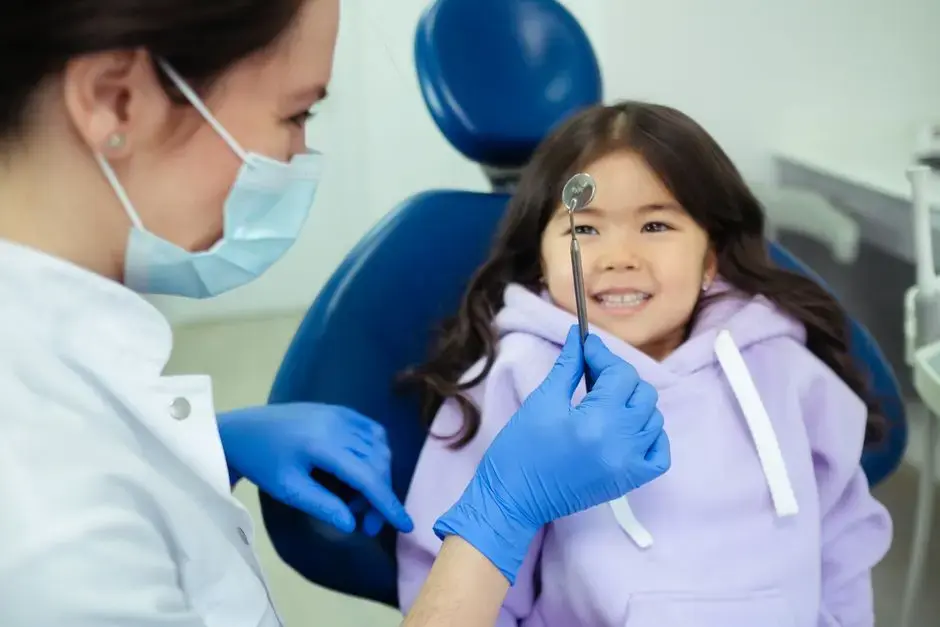
Regular check-ups with your dentist are vital for maintaining oral health. This section discusses what to expect during your visits and why they are crucial for early detection of dental issues.
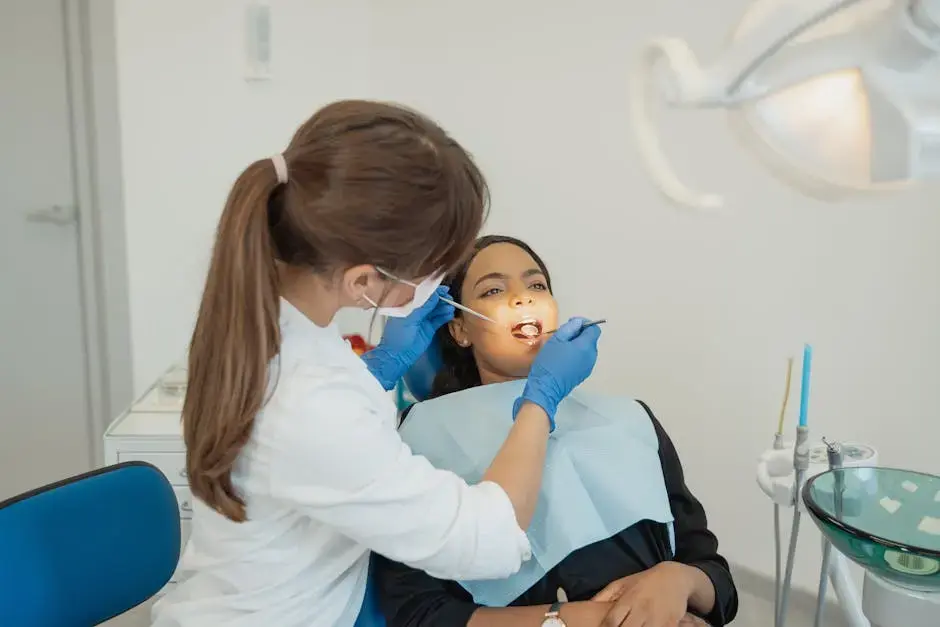
Most people may assume their teeth are fine and skip the dentist for years. However, even the healthiest-looking teeth can harbor silent problems. During your visits, your dentist will perform a thorough examination, looking for signs of decay, gum disease, and other potential issues. Catching these problems early can save you from painful treatments down the line.
Typically, a dental visit includes a cleaning session, where your hygienist will remove plaque and tartar build-up. This process is essential to maintain healthy gums and prevent cavities. After cleaning, your dentist will assess the overall condition of your mouth, taking the time to answer any questions you may have. They may also recommend dental X-rays to get a comprehensive view of what’s happening beneath the surface.
In integrating regular visits into your schedule, you're not just investing in your smile; you're bolstering your general health. Many systemic issues can show early signs in the mouth, making your dentist an invaluable partner in your healthcare journey.
Innovations in Dental Care Technology
The field of dental health care is rapidly evolving. This section highlights the latest advancements in dental care technology and how they can enhance your oral health experience, from preventive care to treatments.
Emerging technologies such as laser dentistry are making procedures more efficient and less invasive. For example, lasers can be used to treat gum disease and perform root canals, minimizing discomfort and speeding up recovery times. This is a game-changer for patients who might have previously feared dental treatments.
Additionally, digital dentistry tools, like 3D imaging, allow dentists to create precise models of your teeth. This not only enhances the planning and execution of treatments but also improves communication between you and your dentist, ensuring that you feel heard and understood throughout every step of your care.
Moreover, advancements in orthodontics, such as clear aligners, have revolutionized the way we think about teeth straightening. These virtually invisible devices offer a more comfortable alternative to traditional metal braces, appealing to adults and teens alike who desire a confident smile without the stigma sometimes associated with orthodontic treatment.
Finally, innovations in tele-dentistry mean that you can consult your dentist from the comfort of your home. This accessibility not only makes care more convenient but also allows you to stay engaged with your dental health in ways that were previously difficult. With all these advancements, the landscape of dental care is brighter than ever!
Final Thoughts on Dental Health Care
By prioritizing your dental health care, you not only ensure a brighter smile but also contribute to your overall health. Remember, it's never too late to start taking better care of your teeth. Embrace these practices, consult with your dental professional regularly, and enjoy the confidence that comes with a healthy smile!

Comments