


Why Periodontitis Treatment is Essential for Oral Health
- Seona seona@usestyle.ai
- Oct 1, 2025
- 4 min read

Periodontitis is more than just a dental issue; it affects your overall health too. Understanding the importance of treatment for this condition can help you maintain not only a beautiful smile but also a healthy body. In this blog, we'll explore why addressing periodontitis is crucial and how it can positively impact your oral health and overall well-being.

Understanding Periodontitis: What You Need to Know
Periodontitis is an advanced stage of gum disease that can lead to serious health issues. It's essential to understand the causes, symptoms, and risks associated with this condition.
At its core, periodontitis starts with gingivitis, characterized by inflamed gums that bleed easily. When left untreated, it escalates, causing damage to the supporting structures of your teeth. This fundamental transition from gingivitis to periodontitis signifies a more alarming situation. Knowing this can empower you to take preventative measures before significant damage occurs.
A significant factor in the progression of periodontitis is plaque buildup, which forms when bacteria adhere to your teeth and gums. This sticky biofilm can harden into tartar if not removed through regular brushing and flossing. Understanding the role of plaque highlights the necessity of proactive dental care, as maintaining oral hygiene can dramatically reduce your risk of developing periodontitis.
The Impact of Periodontitis on Overall Health
Research shows that untreated periodontitis can increase the risk of systemic diseases such as diabetes, heart disease, and respiratory issues. Let's delve into how your gums and body are interconnected.
Periodontal bacteria can enter the bloodstream, potentially leading to inflammation in other parts of the body. This connection is particularly concerning in relation to heart health, where chronic inflammation from periodontitis might contribute to conditions such as coronary artery disease. It's a startling reminder of how one aspect of health can significantly impact another.
Moreover, individuals with diabetes have a unique vulnerability. Periodontal health can affect blood sugar control, making effective periodontitis treatment even more critical for those managing diabetes. In essence, there's a two-way street; not only does diabetes affect gum health, but poor oral hygiene can also exacerbate diabetic symptoms.
Understanding these connections can motivate individuals to prioritize their oral health. By viewing periodontitis not just as a dental concern but as an integral component of overall health, we empower ourselves to make informed choices about our dental care.
Identifying the Signs of Periodontitis
Knowing the warning signs of periodontitis is vital for early intervention. We'll discuss symptoms like gum inflammation, bad breath, and tooth mobility.
Gum inflammation often presents as redness and swelling, which can be easily overlooked. However, if your gums bleed during brushing or flossing, this is a red flag that should prompt action. Additionally, persistent bad breath—sometimes referred to as halitosis—can be a sign of underlying gum disease. Noticing any such symptoms can be crucial in catching periodontitis early.
As gum disease progresses, you may notice your teeth feel loose or shift in position. This mobility can stem from the loss of the bone that supports your teeth, an alarming consequence of untreated periodontitis. Understanding these signs arms you with the knowledge to seek prompt care, whether it’s scheduling a dental appointment or adopting better oral hygiene practices.
Lastly, if you experience a change in the way your bite feels or have difficulty chewing, it’s essential to reflect on these feelings candidly. Often, people dismiss these indicators until they become severe, leading to more extensive treatment needs. Acknowledging and acting upon these symptoms can significantly alter the course of your dental health.
Treatment Options for Periodontitis
From deep cleaning to surgical interventions, various treatment options can effectively manage periodontitis. We will outline each approach and its benefits.
The first line of defense against periodontitis often begins with nonsurgical treatment, such as scaling and root planing. This process helps remove plaque and tartar buildup from below the gumline, allowing for healing and potentially reversing early-stage gum disease. Knowing this can be empowering—because early intervention can return your mouth to health.
However, if periodontitis has advanced significantly, surgical options like flap surgery may become necessary. This procedure lifts the gums away to clean the roots of the teeth while allowing for better access to treat deep pockets of infection. Though surgery sounds intimidating, many patients find it to be a path toward relief and a healthier smile.
Additionally, regenerative procedures are also an option that can help restore lost bone and tissue. Using membranes, grafts, or proteins, these techniques can augment healing and reconnect your gums to your teeth. While these treatments can often seem daunting, advancements in dental technology have made them more accessible and less invasive than ever before.
Maintaining Oral Health After Treatment
Keeping your gums healthy after periodontitis treatment is crucial. We'll share tips on maintaining oral hygiene and regular dental visits to prevent recurrence.
Post-treatment care often includes adopting a diligent oral hygiene routine. This involves brushing twice a day with fluoride toothpaste and flossing daily to remove stubborn plaque. It’s a simple yet effective way to keep your gums healthy. By creating habits that emphasize prevention, you can maintain the gains achieved through treatment.
Another essential aspect is regularly scheduled dental cleanings. Visiting your dentist every six months is ideal, though some may require appointments more frequently depending on their individual health risks. These professional cleanings allow for the removal of tartar that regular brushing can't tackle, keeping your gums in tip-top shape.
Ultimately, awareness and prevention become your best friends in maintaining oral health. Educate yourself about the risks and symptoms of periodontitis, and share this knowledge with your family. The more informed you are, the more likely you will be to catch any potential issues early, ensuring that your journey to oral health is a successful one.
The Importance of Prioritizing Oral Health
By recognizing the significance of periodontitis treatment and seeking timely care, you can ensure a healthier mouth and body. Don't wait until it's too late; take action today to preserve your oral health for a brighter tomorrow.
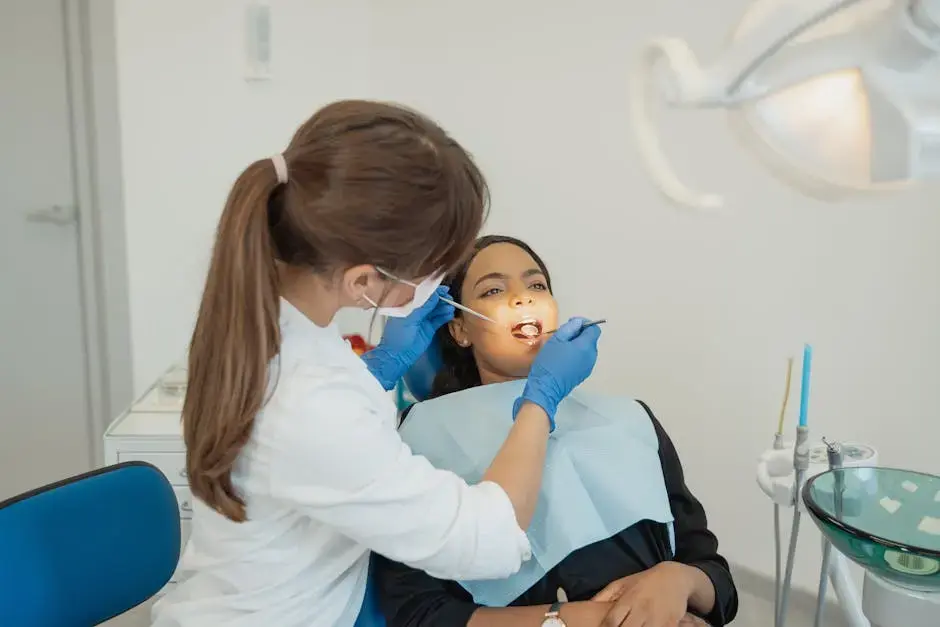
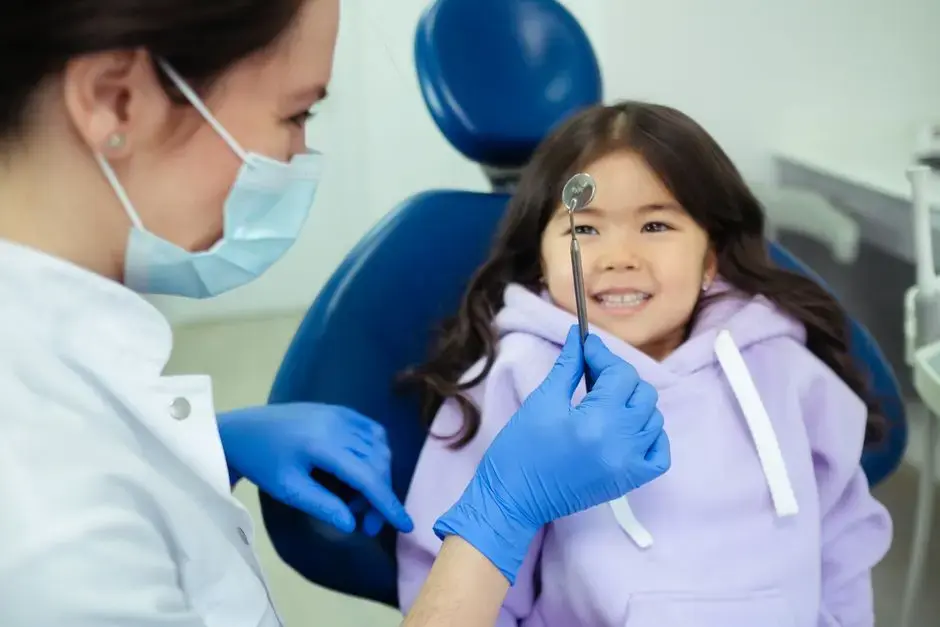

A discussion of various treatment methods such as scaling, root planing, and surgical procedures shows that periodontitis therapy is staged according to the severity of the condition. This clinical approach provides a clear picture of the importance of an accurate diagnosis before determining the course of treatment. Read other articles on education and interesting facts about periodontology