


Your Guide to Effective Periodontitis Treatment: Steps to Healthier Gums
- Vista Holding
- 4 days ago
- 4 min read
Dealing with periodontitis can feel overwhelming, but with the right knowledge and approach, you can achieve healthier gums and a brighter smile. This guide will walk you through effective treatments and preventive measures to help you take control of your oral health. Let's dive into the steps you can take for healthier gums!
Understanding Periodontitis
Periodontitis is more than just gum inflammation; it's a serious infection that can lead to tooth loss. Understanding what it is, its causes, and how it progresses is the first step towards effective treatment.
The journey to healthier gums begins with comprehending the nature of periodontitis. This disease typically stems from poor oral hygiene that allows plaque—a sticky film of bacteria—to form on the teeth. Over time, plaque can harden into tartar, and when this happens, your body responds with inflammation. This infection can wreak havoc, damaging gum tissue and bone. The good news? Recognizing the signs and symptoms can set you on a path to recovery.
So why is knowledge about periodontitis crucial? Well, understanding how this condition progresses can empower you to seek treatment earlier, minimizing potential damage. Your gums serve as the foundation for your teeth; when they are at risk, so are your pearly whites. Remember, the sooner you tackle this problem, the healthier your smile will be!
Recognizing Symptoms of Periodontitis
Identifying the symptoms early can help you seek treatment sooner. Common signs include bleeding gums, bad breath, and receding gums. Let's explore what to look out for.
Many people mistake bleeding gums as a trivial issue, yet it’s often one of the first signs of periodontitis. If you notice blood when brushing or flossing, don’t ignore it! Bad breath, or halitosis, can also be a telltale sign. This persistent odor can stem from bacteria production and infection, making it vital to address the underlying cause.
Beyond bleeding and bad breath, keep an eye on your gum line. Are your gums receding? This subtle shift can lead to increased sensitivity and expose tooth roots, making it crucial to act promptly. Other subtle indications include a change in bite and loose teeth. Recognizing these symptoms isn't just about awareness; it’s about taking proactive steps toward treatment.
The Importance of Professional Treatment
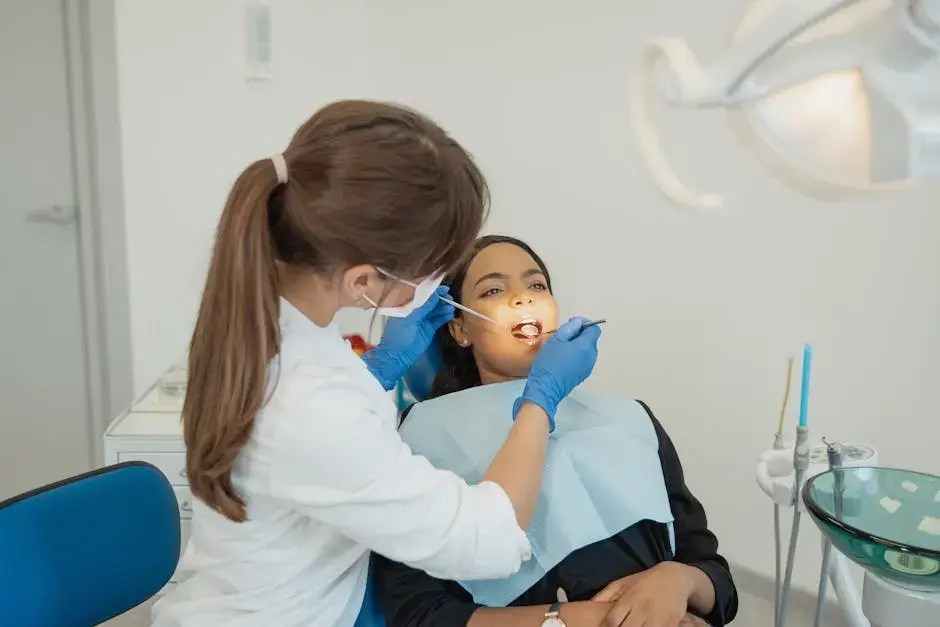
While home care is vital, professional treatment is key in addressing periodontitis. Regular visits to your dentist can include deep cleaning and scaling, which are crucial to remove plaque and tartar.
You might wonder, 'Why can’t I just take care of this at home?' and that’s valid! However, the reality is that periods of neglect can lead to substantial buildup that is well beyond the reach of regular brushing and flossing. Professional cleanings not only clear away stubborn tartar but also allow your dentist to assess the health of your gums and provide tailored advice.
Furthermore, dentists can offer treatments like root planing, where the roots of your teeth are smoothed to help gum reattachment and discourage future plaque formation. If your periodontitis is more severe, surgical options may be explored. Professional intervention isn’t just another expense; it’s an investment in your health and well-being.
Home Care Strategies for Healthier Gums
Implementing a solid home care routine is essential. This includes brushing twice a day, flossing daily, and using antimicrobial mouthwashes to keep your gums healthy.
Creating the perfect oral hygiene routine might sound simple, but it’s a key player in your quest for healthier gums. Brushing your teeth twice daily isn't just a suggestion; it’s a non-negotiable! Choose a soft-bristled toothbrush and fluoride toothpaste for the best results, and don’t forget to replace your brush every three to four months.
Flossing is another crucial aspect of your routine, often overlooked. If you find it difficult, remember it gets easier with practice! Floss helps remove food particles and plaque between teeth that your toothbrush cannot reach. Additionally, consider incorporating antimicrobial mouthwashes to combat bacteria and fight gingivitis—both effective strategies in your home care arsenal.
Diet and Its Role in Gum Health
What we eat directly affects our gum health. A balanced diet rich in vitamins and minerals can bolster your immune system and help fight infection. Learn about the foods that promote healthier gums.
Imagine what your gums could benefit from! Foods rich in vitamin C, like oranges and strawberries, can help repair and maintain your gum tissue. Dairy products provide calcium, essential for strong bones, including those that support your teeth. The connection between diet and oral health is undeniable; what you put into your body can either build resilience or contribute to disease.
Moreover, staying hydrated aids saliva production, an essential component in your mouth that protects against decay and helps wash away food particles. Try to limit sugary snacks and beverages, as they can fuel the bacteria responsible for gum disease. Instead, snack wisely with crunchy vegetables or nuts, which can not only be satisfying but also support your gum health.
Preventing Recurrence: Ongoing Care
After successful treatment, it's essential to maintain your gum health. Practices like regular dental check-ups and an effective home care routine can help prevent periodontitis from returning.
It can be tempting to think that once you've tackled periodontitis, you’re in the clear. But the truth is, gums can be vulnerable if not cared for consistently. Regular dental visits, ideally every six months, are vital for monitoring your gum health and handling any emerging issues before they escalate.
Additionally, sticking to your home care regimen—a mix of brushing, flossing, and mouthwash—is paramount. Your commitment to these practices will not only ensure your gums remain healthy but will also enhance your overall oral hygiene. Think of it as a protective shield against potential threats to your gum health. Remember, staying informed and proactive is key to maintaining that bright, healthy smile!
Embrace a Healthier Smile
Taking care of your gums is essential for your overall oral health. By following the steps outlined in this guide, you can tackle periodontitis effectively and maintain a beautiful smile. Remember, always consult with your dentist or periodontist for personalized advice and plans tailored to your needs.


Comments